
All-on-X vs Individual Implants: How to Choose the Right Solution

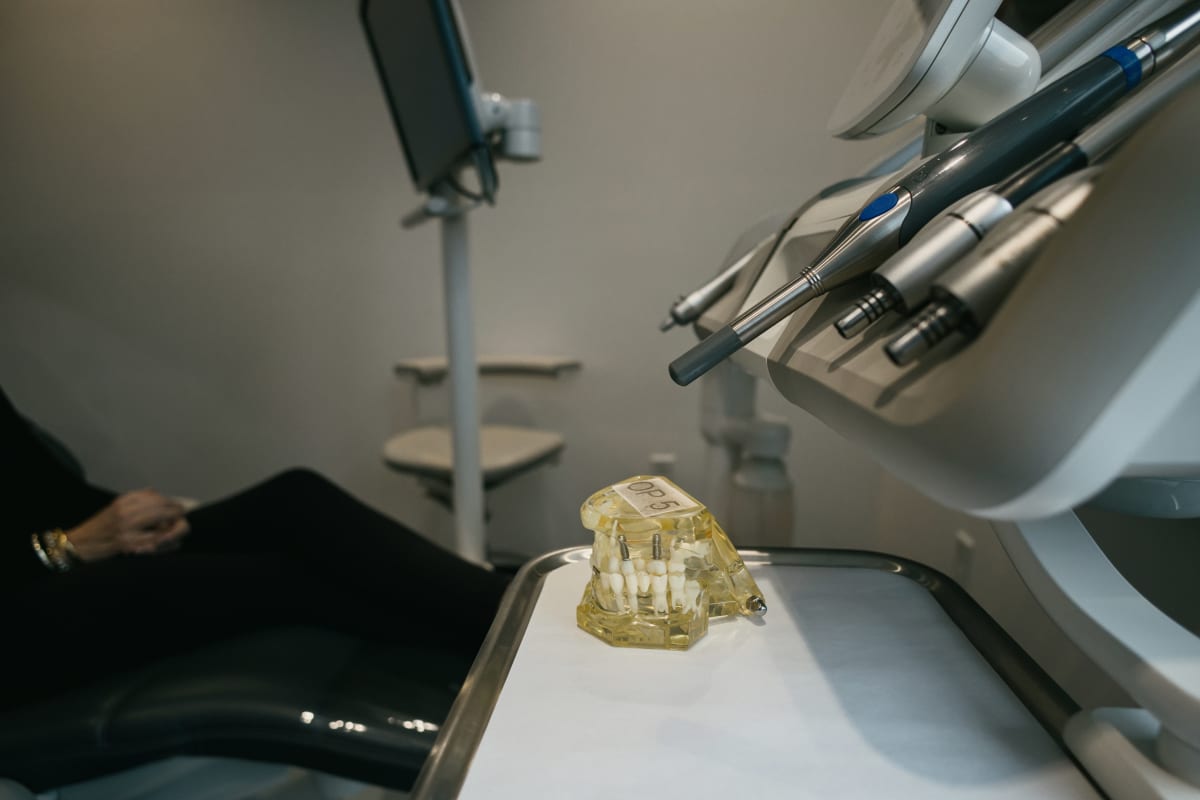
If you've been quoted for All-on-X at one office and individual implants at another, and the numbers aren't even close, the confusion makes sense. These are two very different treatments solving two very different problems, and most offices don't take the time to explain which one actually fits your situation.
This guide breaks down what each option is, who it's right for, how the costs compare, and what questions to ask before you commit to anything. The goal is to help you walk into any consultation, including ours, with a clearer picture of what your mouth actually needs.
To talk it through with a person, call (253) 851-1190 and we'll set up a time with Dr. Elton and the team at Cedarbrook Dental in Gig Harbor.
What to Know First
- Individual implants replace one tooth at a time, each working independently.
- All-on-X uses four to six implants to support a full arch of fixed teeth, and is not the same as a removable implant-supported denture.
- Individual implants cost more per tooth. Full-arch treatment costs more overall. Which is cheaper depends on how many teeth you are replacing.
- Your bone health and the condition of your remaining teeth often determine the right option before cost even comes up.
- If your remaining teeth are healthy and someone recommends removing them for a full arch, ask why and get a second opinion.
What Each Option Actually Is
Individual Dental Implants
Each missing tooth gets its own titanium post placed in the jawbone. Over a few months, the bone grows around that post and holds it firmly in place, and then a crown goes on top. Replacing two teeth on opposite sides of your mouth means two separate, independent restorations. They're brushed and flossed like natural teeth, and if one ever needs attention, the others are not involved.
All-on-X Full-Arch Implants
Instead of one implant per tooth, four to six implants are placed along the jaw, often at angles that make the most of the bone that is still there. Together they support a single fixed bridge that replaces an entire upper or lower row of teeth. The "X" is simply a stand-in for however many implants your jaw requires.
The Difference from Implant-Supported Dentures
An implant-supported denture is designed to be removed for cleaning, snapping on and off the implants at home. An All-on-X bridge stays in permanently, removed only by your dentist and only when there is a clinical reason. Both are good options, but they differ in daily life, in cost, and in how you care for them.
When Individual Implants Are the Better Fit
For a lot of people, this is simply the right clinical answer. Individual dental implants make the most sense when you're missing one to a handful of teeth, the bone at those sites is healthy, and your remaining natural teeth are solid. In that situation, there's no good reason to treat the entire jaw. Every healthy tooth you keep is still holding bone in place and helping you chew normally.
One of the biggest advantages is independence. Each implant bonds and heals on its own, and if one ever needs attention down the road, it doesn't affect the others. The cost works the same way: individual implants cost more per tooth, but if you're only replacing three or four, they cost far less than a full arch.
If you're in that situation and you've been handed a full-arch recommendation, ask which specific teeth are considered too far gone to save and why. Then take that plan to another dentist. A practice that stands behind its recommendation won't flinch at a second opinion.
When All-on-X Makes More Clinical Sense
It tends to be the right call when the problem has spread across an entire jaw. Most or all of the teeth are gone, or the ones still there have advanced decay, fractures, or gum disease that puts them past saving. It is also a strong option if you have been living with a lower denture that has never stayed put.
Here is why full-arch treatment can make practical sense:
- Fewer implants than teeth. Placing an implant for every one of fourteen missing teeth is rarely feasible, and almost never affordable. A full arch works because a small group of posts supports all of them together.
- Fewer surgical phases. Failing teeth are typically removed and the implants placed in one appointment, instead of a years-long series of extractions and repairs.
- A fixed result. Nothing comes out at night, and biting into food stops being something you have to think about.
- Better cost per tooth at full-arch scale. When you are replacing everything, the cost per tooth drops considerably compared to individual implants.
The main limiting factor is bone. Full-arch implants need enough bone volume and density in specific spots to stay stable, and years of tooth loss can thin that bone over time. Some patients need a bone graft before or during placement, which adds time and cost to the plan.
How the Cost Difference Actually Breaks Down
Two quotes can look wildly different and both be reasonable, which is frustrating when you're trying to compare them at your kitchen table.
Per tooth, individual implants are the more expensive option. In total dollars, full-arch treatment is the bigger number. Neither fact tells you which one is right for you. What matters is whether the treatment being quoted matches what your mouth actually needs.
A lot of the sticker shock comes from quotes that aren't broken out. A complete implant plan usually includes:
- Diagnostic imaging, including a 3D cone beam scan of your jaw
- Extractions and any preparatory work such as bone grafting
- The implant placement surgery itself
- Temporary teeth to wear during healing
- The final crown, bridge, or full arch
- Sedation, if you want or need it
When those pieces aren't itemized, a lower total can quietly leave things out that reappear as separate bills months later. A higher number sometimes represents more complete care. Ask for the breakdown in writing and find out what's excluded.
Living with Each Option over the Long Haul
Daily Maintenance
Individual implants are brushed and flossed just like natural teeth. A full-arch bridge requires cleaning underneath it with a water flosser and floss threaders. Skipping that step is the fastest way to develop problems with the gum and bone supporting the implants.
If Something Goes Wrong
With individual implants, a problem stays contained to that one site. With a full arch, a failing implant is more serious because the bridge relies on a small number of posts. In many cases it can still function while the area heals, but the repair process is more involved. Ask any office you are considering how they handle that before you commit.
The Prosthetic Itself
The implant posts are built to last decades. The visible teeth on top are what eventually wear down and may need replacing over time. Ask what your restoration is made of and what a realistic lifespan looks like before you sign off on a treatment plan.
Questions to Bring to Your Consultation

A good consultation is a conversation you can interrupt. Bring these and expect specific answers, not general reassurance:
- What does my bone look like at each planned implant site, and will I need a bone graft?
- Why this approach instead of the other one, for my specific situation?
- Is this quote all-inclusive, itemized in writing, and what does it leave out?
- What happens if one implant does not bond to the bone or fails later? How do you handle that repair, and what does it cost?
- What will cleaning and maintenance look like for me, both at home and at checkups?
- What is my restoration made of, and how long should it realistically last before it needs replacing?
- Can this be done in stages over time, or does it need to happen all at once?
Talk It Through With Us
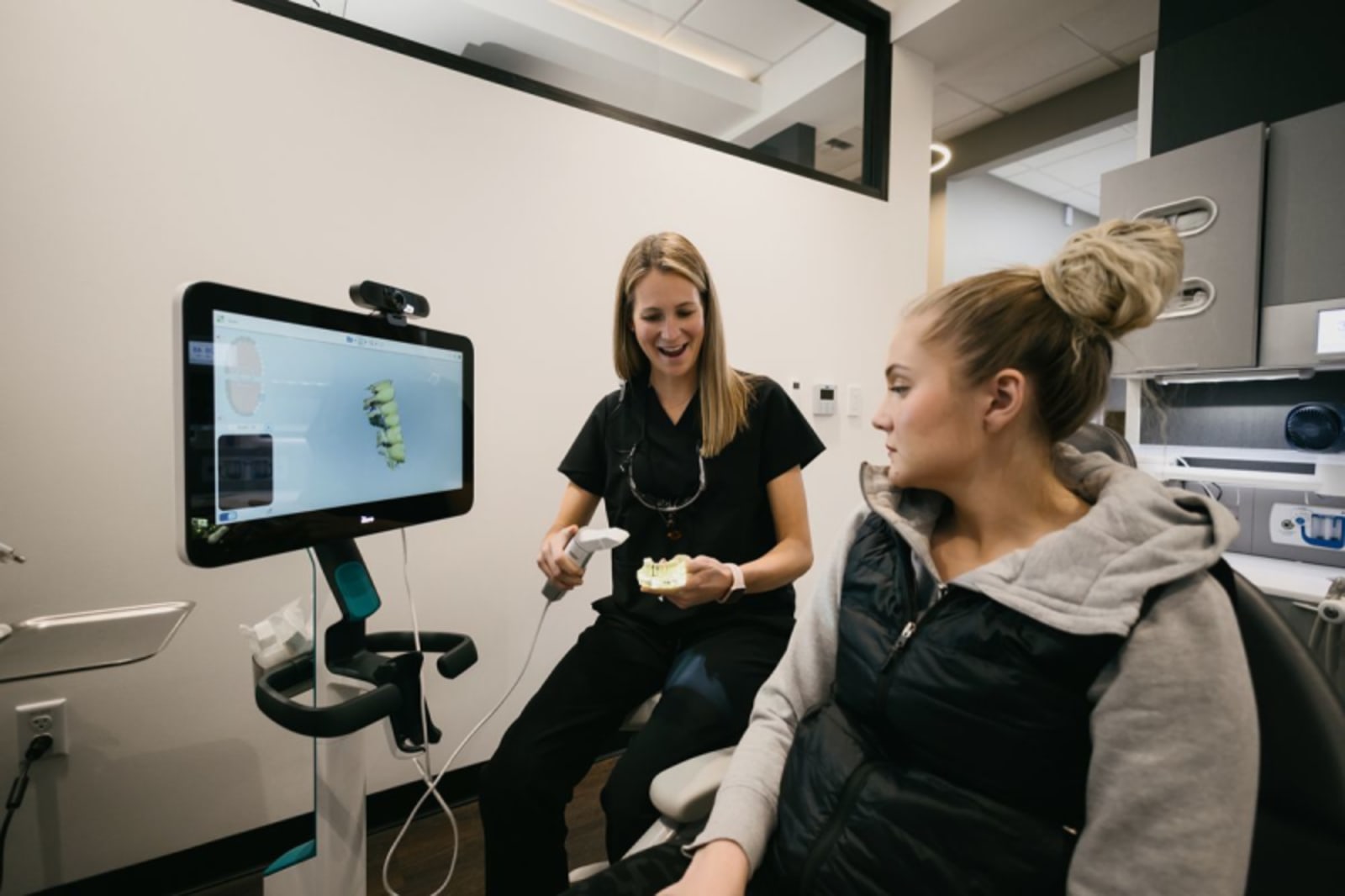
If you've read this far, you're not someone who takes this decision lightly. Bring whatever you have: X-rays, a written plan from another office, the questions you couldn't get a straight answer to. We'll use cone beam imaging and digital full-arch scanning to get a clear picture of your jaw and bone, then walk you through exactly what we see, including when a single dental implant or a well-made denture is the right call for your budget and timeline.
We're at 5501 Soundview Drive in Gig Harbor, serving families across the Kitsap Peninsula and Pierce County. If dental anxiety is part of why this has waited, we offer oral conscious sedation and nitrous oxide. Call (253) 851-1190 whenever you're ready.
Related Articles
Connect With Us
We look forward to meeting you.
Call 253-851-1190 or request an appointment online to set up your first visit. We’ll be in touch soon.